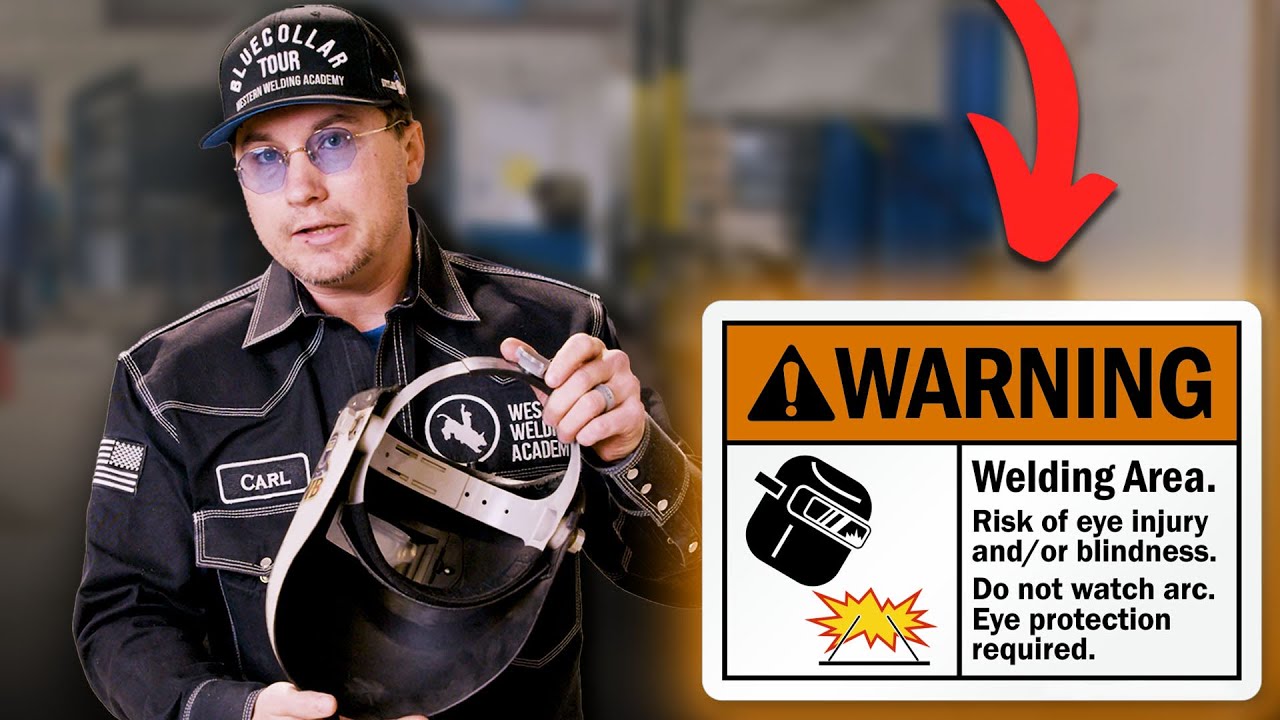
Eye and Skin Hazards from Arc Radiation
The welding arc emits ultraviolet, infrared, and intense visible radiation. Unprotected exposure causes arc eye (photokeratitis) in seconds, with symptoms appearing hours later as severe eye pain and light sensitivity. Repeated exposure leads to cataracts and permanent vision loss. Exposed skin suffers UV burns similar to severe sunburn. Auto-darkening helmets rated to ANSI Z87.1 and safety glasses worn underneath eliminate these risks when used correctly.
Learn more about how to protect your eyes and lungs while welding and the specific PPE standards that apply.
Respiratory Hazards from Welding Fumes
Welding fumes contain metal oxides, gases, and particulates that vary based on the base metal, filler material, and process. NIOSH data indicates welders face a 40 percent higher risk of lung cancer than the general population from chronic exposure. Stainless steel welding generates hexavalent chromium, a known carcinogen. Galvanized steel releases zinc oxide fumes causing metal fume fever.
Proper ventilation, fume extraction equipment, and fitted respirators (half-face APR with P100 cartridges for most shop work, PAPR for confined spaces) reduce these risks to levels well within OSHA permissible exposure limits. The key is consistent use from the first day of training, which builds the habit of wearing respiratory protection automatically.
Ready to launch your welding career? Apply now or call Western Welding Academy at (307) 284-5313 today.
Burns, Fire, and Electrical Hazards
Welding produces sparks, molten metal spatter, and extreme heat. Flame-resistant clothing, leather gloves, and proper footwear prevent the most common burn injuries. Fire is a constant risk because sparks travel 35 feet or more and ignite combustible materials. A fire extinguisher and cleared work area are non-negotiable safety measures.
Electrical hazards include shock and electrocution, particularly in wet conditions or when equipment is improperly grounded. Welding machines operate at voltages that can be lethal under the wrong circumstances. Proper equipment maintenance, dry work conditions, and insulated gloves prevent electrical injuries. These are basic protocols that every trained welder follows.
How Injury Rates Compare to Other Trades
The BLS reports a non-fatal injury rate of approximately 3.3 per 100 full-time workers for welders. For context, construction laborers have a rate of 3.7, and roofers sit at 4.3. Welding is not the most dangerous construction trade. It falls in the middle. The injuries that do occur are almost entirely preventable with proper training, PPE compliance, and awareness of the work environment.
| Hazard | Risk Without PPE | Protection | Risk With PPE |
|---|---|---|---|
| UV/IR Radiation | Arc eye in seconds, cataracts | Auto-darkening helmet + glasses | Near zero |
| Welding Fumes | 40% higher lung cancer risk | Ventilation + respirator (P100) | Within OSHA PELs |
| Burns / Fire | Skin burns, fire ignition | FR clothing, gloves, clear area | Minor / preventable |
| Electrical Shock | Shock, electrocution | Dry conditions, grounding, gloves | Near zero |
| WWA Approach | Full PPE from day one, 85% booth time, safety integrated into every session |
Why Training Is the Best Safety Equipment
Western Welding Academy integrates safety training into every booth session rather than treating it as a separate lecture. Students wear full PPE from day one and practice correct habits for 85 percent of their 40-hour training week. This approach produces welders who treat safety gear as automatic, not optional.
The school holds a 94 percent hire rate within 90 days, verified by a 234-alumni survey. With 2,000+ graduates, 330 combined instructor years, and an AWS Accredited Test Facility, Western Welding Academy produces welders that employers trust to work safely from their first shift. Learn about what tools and PPE every welder needs to own.
What Western Welding Academy Graduates Earn
Graduates of Western Welding Academy earn verified paychecks that reflect the premium employers pay for welders who work safely and consistently.
Ready to launch your welding career? Apply now or call Western Welding Academy at (307) 284-5313 today.
Frequently Asked Questions
Q1. What is the biggest danger in welding?
Long-term fume exposure without respiratory protection is the biggest health risk. NIOSH data shows a 40 percent higher lung cancer risk for welders with chronic unprotected exposure. This risk drops dramatically with proper ventilation, fume extraction, and fitted respirators used consistently from the start of your career.
Q2. How common are welding injuries?
The BLS reports approximately 3.3 non-fatal injuries per 100 full-time welders. This rate is comparable to other construction trades and lower than roofing or heavy equipment operation. Most welding injuries are burns, eye irritation, and musculoskeletal strains that are preventable with proper PPE and technique.
Q3. Can welding cause permanent eye damage?
Yes. Unprotected exposure to the welding arc causes photokeratitis (arc eye) in seconds and can lead to cataracts and permanent vision loss with repeated exposure. An auto-darkening helmet rated to ANSI Z87.1 and safety glasses worn underneath eliminate this risk when used consistently.
Q4. Is welding safe if you wear the right gear?
Yes. Welding hazards are almost entirely preventable with correct PPE (helmet, glasses, gloves, respirator, flame-resistant clothing), proper ventilation, equipment maintenance, and fire safety protocols. Welders who follow safety procedures consistently have injury rates comparable to or lower than many office environments.
Q5. Do welding schools teach safety?
Quality welding schools integrate safety into every training session. Western Welding Academy requires full PPE from day one across all programs. Students learn correct safety habits alongside welding technique, so the two become inseparable by the time they reach a job site.
Q6. What makes Western Welding Academy different from other welding schools?
Western Welding Academy delivers 85 percent hands-on booth time with full PPE integration from day one. The school holds a 94 percent hire rate within 90 days, verified by a 234-alumni survey. With 2,000+ graduates, 330 combined instructor years, and an AWS Accredited Test Facility, the school produces welders who treat safety as automatic, not optional.
Train Safe, Work Safe, Earn Well
Welding hazards are real but manageable. The right training makes them routine. Call Western Welding Academy at (307) 284-5313 or apply now to build your welding career on a safe foundation.